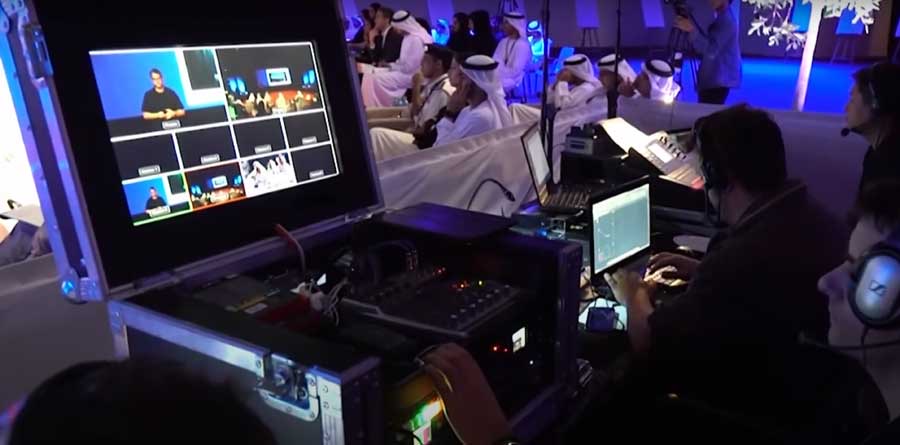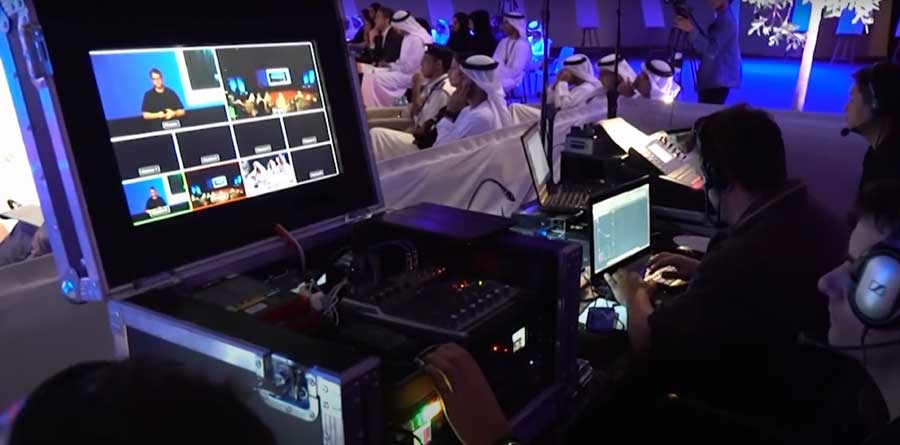
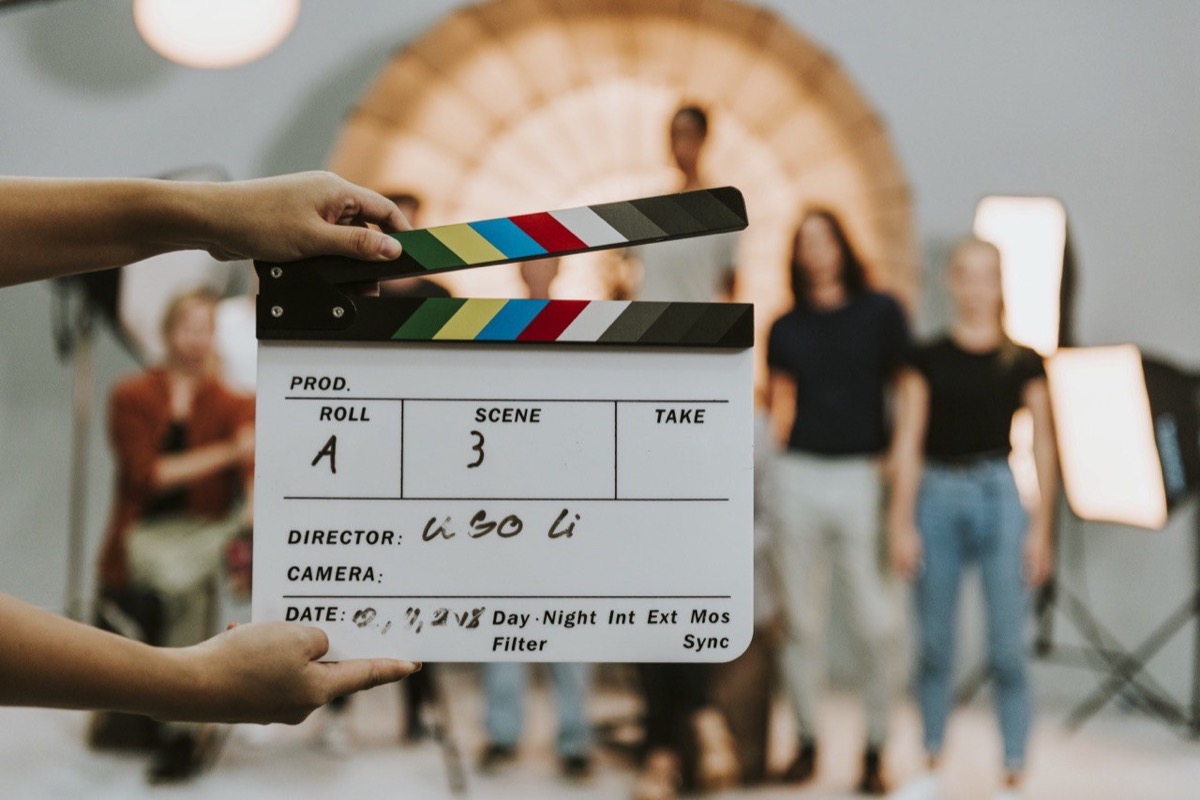
From concept development to post-production, this guide walks you through every stage of filmmaking: scriptwriting, planning, cinematography, editing and marketing. Whether you want to direct, write, shoot or edit, understanding these fundamentals is the first step.
Filmmaking is collaborative, so we also cover how to communicate and work with your team. By the end you'll have the tools and the confidence to turn creative ideas into strong visual stories. So grab your camera and let's begin.
1. Scriptwriting
The script is the foundation of a film. It sets not only the layout and look of each scene but also its tone and atmosphere.
Screenplays are very different from novels: they follow strict format and length conventions, and every line has to be something that can be filmed.
Start by outlining the scenes, locations and times, then write the dialogue between characters. Once the first draft is done, get feedback from others on what needs rethinking — and then rewrite.
2. Planning
Before filming, you need a plan: how to develop the idea, hire actors and crew, and secure locations and equipment. Planning includes brainstorming sessions, location scouting, production design meetings and storyboards.
A storyboard maps out the key scenes of a film as illustrations. Traditionally hand-drawn, it helps you plan the shots you need and is an essential part of pre-production.
A shot list makes sure every necessary shot is captured on the day and prevents costly surprises.
3. Shooting
After weeks or months of planning, rehearsing with the actors and setting up camera and lighting equipment, it's finally time to roll cameras.
On set, the shot list is your guide: it lists every scene to capture, with visual references and details such as camera angles, so everyone knows what to film and when.
4. Editing
Editing turns all your footage into one cohesive story. It takes a trained eye to choose the best material and achieve the effect you want.
Continuity is essential: it keeps every shot within a scene logically connected.
Jump cuts deliberately break continuity. They create a sudden jump between shots and leave viewers wondering what happened in between — use them carefully, because they can feel uncomfortable.
5. Marketing
Marketing is part of filmmaking: without promotion, your film may never reach its audience.
Before production starts, define the film's branding — colour scheme, theme and message. Then create the marketing materials: posters, a website and social media profiles.
Make sure everyone on the team understands the goals of the film, its subject and its look. It keeps the project consistent and prevents miscommunication.
Conclusion
Congratulations — you now know the stages of film production and are ready to start your own project. Success comes from knowledge, practice and passion: keep honing your skills, try new techniques and follow industry trends.
Build strong connections within the industry, take creative risks and push boundaries. Gather a team, grab your camera and let your imagination lead. Lights, camera, action!
Need help with corporate video?
Company profiles, factory and office films, recruitment and training videos. Send us a short brief and we will come back with an itemised quote.